A Simple Journey That Lingered Longer Than Expected
Upon arriving at Haneda Airport, we were immediately greeted by the Sumiya family. The moment was simple. Nothing felt extraordinary. But without us realizing it, that was exactly where the meaning of this journey began to shift.

We didn’t head straight to Gunma. That day, the Sumiya family took us around Tokyo—no rigid agenda, no destination to chase. We just moved. We saw the city. We shared light conversations in the car. We enjoyed the journey for what it was.
In the middle of the trip, we stopped by the city hall. Makoto Sumiya seemed busy handling something quite serious, while we waited casually. We didn’t really know what he was working on, but in that simple moment, something felt different. We weren’t just tourists being shown around. We were being invited into the rhythm of their lives.
Finding Udon This Good in a Place This Simple
After our fill of Tokyo, we slowly left the hustle and bustle behind and continued toward Sawatari, Gunma. Along the way, we stopped at a small place in Saitama Prefecture called Inakappe Udon.

From the outside? Utterly simple. Just a typical Japanese white curtain, no big signs, no “famous restaurant” vibes. But once we sat down, everything changed.
-
The Udon: Thick, chewy, and steaming hot.
-
The Broth: Served separately—deeply savory, with bits of meat that made every bite feel hearty yet light.
-
Kinpira Gobo: It looked ordinary, but the taste? Sweet, savory, and slightly crunchy. It made us want to keep ordering more.
There was nothing fancy about it. But the warmth… it was palpable. And perhaps that’s how it is: The things that stay with us aren’t always the most expensive—they are the most honest.
Toward Sawatari: When the Rhythm Begins to Slow

The further we got from Tokyo, the more the atmosphere changed. The roads grew emptier. Forests began to dominate the landscape. Other vehicles became a rare sight. The pace of the journey slowed down, and ironically, that was when the trip felt most alive.
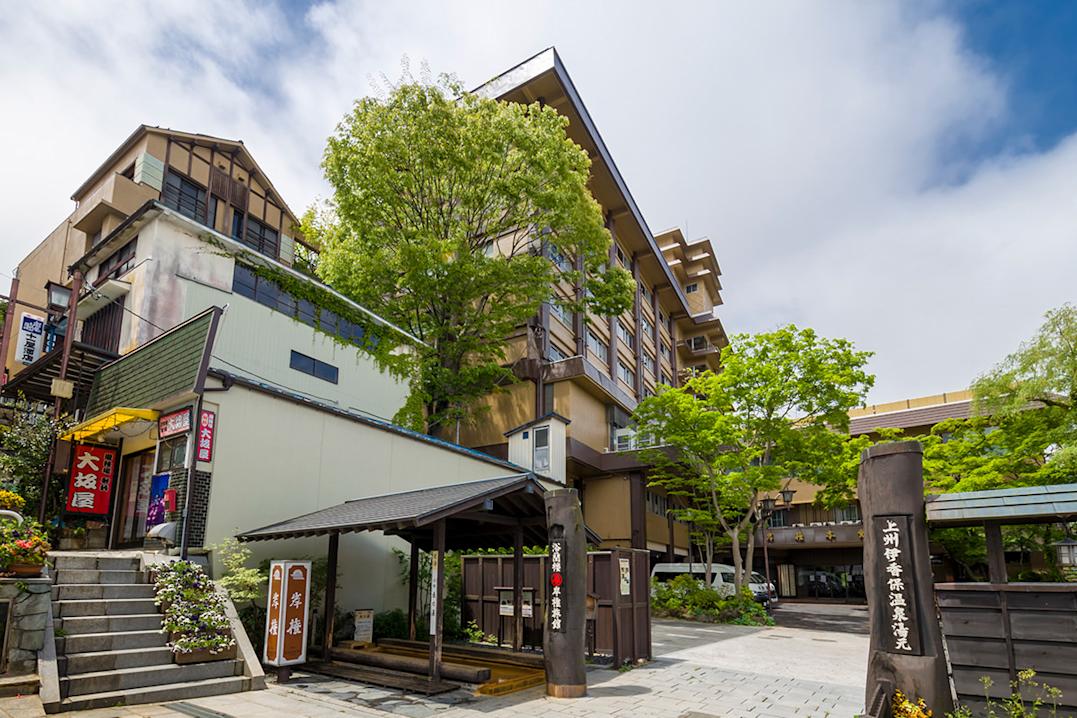
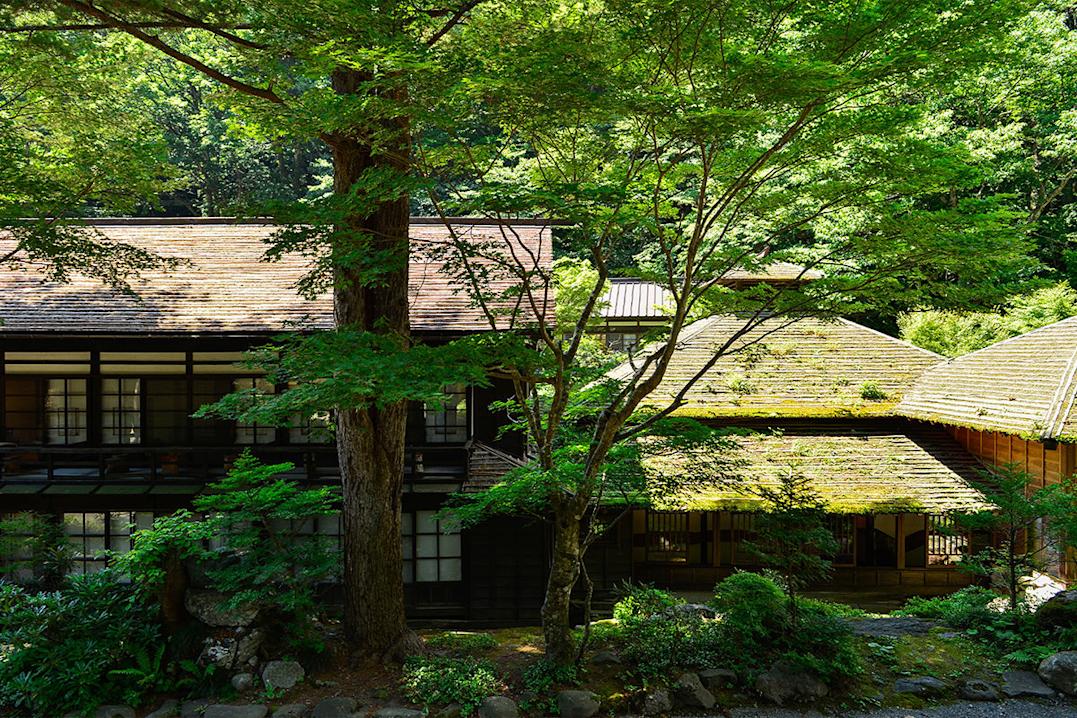
We arrived at Ryumeikan in Sawatari, Gunma—a traditional inn that was quiet, humble, and far from the city’s noise.
Ryumeikan: When We Ceased to Be Guests
During those four days (April 15–19), we didn’t just stay there. We were accepted.
The Sumiya family treated us with a warmth that is hard to put into words. It wasn’t just “service”; it was genuine care—small things done without being asked. We were treated to the finest meals, included in their activities, and even invited to a ceremony with the local community. Most of the attendees were elderly, yet the atmosphere was far from “old.” The warm conversations and laughter made everything feel vibrant.
Stories, Songs, and a Growing Bond
We shared many stories about our respective countries. The differences were clear, but that was exactly the fun of it. We weren’t trying to find common ground; we were just enjoying the differences.
Makoto’s wife had lived in Indonesia for five years. She still spoke Indonesian and even remembered several Indonesian songs. When she started singing with such spirit, the mood shifted instantly. We laughed, we sang along, and we lost ourselves in the moment. In that room, the distance between us vanished.
Traditional Music and Shared Moments
Between meals, we were treated to traditional music performed by local elderly women. They played with such skill—calm, soulful, and truly enjoying every note. Then, Fayra was called up to try the instrument. She was hesitant at first, but the atmosphere was so encouraging that she joined in. At that moment, we were no longer just observers; we became part of the experience itself.
Mornings, Rice, and Laughter
One morning, as we had breakfast together, I reflexively reached for the warm rice first. Makoto smiled and said:
“In Japan, we usually start with the vegetables. They say it’s so you don’t get fat easily. I’m sure Santany-san must be laughing right now.”
And he was right—I laughed. How was he so sure? Maybe it doesn’t need an explanation. True connection creates its own intuition.
Onsen and Kusatsu: A Soothing Warmth
I managed to try the onsen. The water was hot, but the sensation was incredible. Slowly, my body relaxed, as if all my fatigue was washing away.
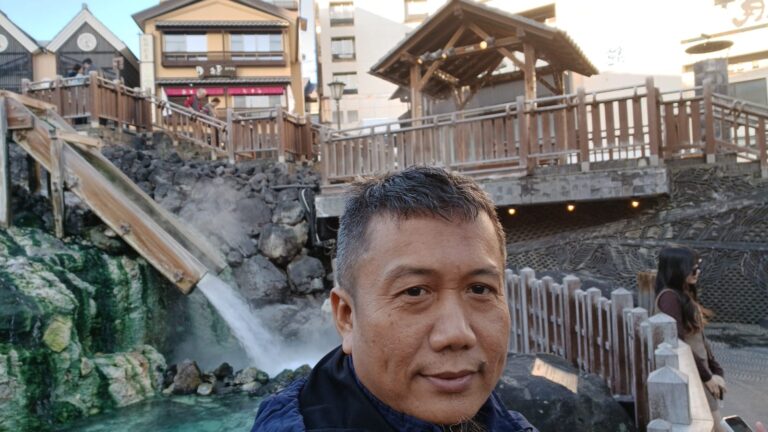
The journey continued to Kusatsu. The drive was filled with winding roads and silent forests. Outside it was quiet; inside the car, it was warm with laughter. Once we reached Kusatsu, the vibe changed completely—lively and bustling. We tried the ashiyu (foot bath). It was simple, but it was enough to warm the soul.
An Unplanned Farewell
On April 19, I returned to Tokyo alone, while Fayra stayed with the Sumiya family. I joked, “Don’t cry…” but when it came time to say goodbye, I was the one who couldn’t hold back. The tears came. Fayra remained calm. It was a heavy moment, yet slightly funny in its irony.
Traveling alone taught me more simple lessons. On the bus to Nakanojo Station, I thought the fare was a flat 180 yen, but it turned out to be a distance-based fare that ended up being 720 yen. I just smiled to myself. At the station, I struggled with the Japanese-only ticket machine until a local man stepped in, helped me without a word, and then went on his way. Simple, but kind.
From Village Warmth to Tokyo’s Fast Pace
Returning to Tokyo felt like stepping back into a world of constant motion. Efficient and independent. I stayed at Almond Hostel & Café (April 20–22). There was a silent agreement there: we are all tired, but we remain orderly.

Every day, I walked about 15 minutes to Tokyo Camii. In the middle of a busy city, that mosque became a precious space for reflection. Practicing my faith in a foreign land isn’t always easy, but that’s exactly where its meaning lies.
Was it tiring? Certainly. Was it hard on the wallet? Even more so 😄. But it’s okay; an experience like this doesn’t happen every year.
Bringing Home a “Feeling”
Finally, time dictated that we return home. On April 23, I flew from Haneda to Jakarta. Back home, as we shared these stories with our extended family, they didn’t just listen—they felt it too.
To the Sumiya Family:
To Makoto-san and the whole family—thank you for your kindness and the unpretentious warmth you showed us. We arrived as guests, but we left feeling like family. What we experienced in Sawatari wasn’t just a travel story; it was a lesson in sincerity and togetherness. We brought back more than just memories; we brought back a “feeling.” We hope to welcome you to our home someday with that same warmth.
In the end, this journey wasn’t about the places. It was about the warmth, the enjoyed differences, and the kindness that comes unexpectedly.
Simple things. The ones that stay the longest.
Travel notes, April 2026. Written for halogunma.com